5 Incredible Benefits of Deep Massage Therapy
Aug 10, 2026
Finding the best body massage in London means matching the treatment to your needs, rather than choosing the firmest pressure, the most luxurious room or the longest appointment. A session that suits someone training for a race may feel completely wrong for someone who wants to unwind after a difficult week.
The useful questions are practical: what would you like to feel afterwards, which areas need attention and what helps you feel comfortable? Your health, budget and available time matter too.
This guide provides a needs-based way to compare treatments and providers, not a ranked list of London venues. It explains which differences are worth paying for, what a good therapist should ask and when medical advice is more appropriate than massage.
Before comparing treatment names, describe the result you want in one sentence. For example: “I want to feel less wound up”, “I want attention to my shoulders” or “I want a comfortable recovery session after exercise.”
That sentence gives your therapist something more useful than a request for a “good full-body massage”. It also helps you decide whether you need broad relaxation, focused work or someone with training relevant to a particular activity or condition.
Separate your main goal from secondary preferences. You might want shoulder work but dislike sustained firm pressure. You might enjoy a whole-body treatment but prefer your abdomen, feet or scalp to be excluded. Neither preference makes the appointment less worthwhile.
A realistic goal should describe comfort or function, not a guaranteed cure. Feeling more relaxed, finding movement easier or enjoying uninterrupted rest are reasonable things to assess. Expecting one appointment to correct an injury or permanently remove persistent pain is not.
Write down your main aim before booking. It makes comparisons clearer and helps prevent attractive extras from distracting you from what you actually need.
Treatment names give you a starting point, but they do not describe every therapist’s approach. Pressure, pacing and the balance between focused work and broader strokes can vary within the same category.
Use these distinctions to narrow your choices, then ask how the therapist would adapt the session.
| Approach | When it may suit your preferences | What to clarify |
|---|---|---|
| Swedish or relaxation massage | You want a general treatment with flowing strokes and time to unwind | Preferred pressure, pace and areas to include |
| Deep tissue massage | You prefer slower, more focused work on selected muscles | How pressure will be adjusted and how much of the body can realistically be covered |
| Sports massage | Your goals relate to training, activity or recovery | Relevant experience and the timing of your next event |
| Pregnancy massage | You want a treatment adapted for pregnancy | Specialist training, positioning and any pregnancy-related concerns |
| Hot stone massage | You enjoy warmth as part of a relaxing treatment | Heat sensitivity, skin conditions and whether the service is available |
| Lymphatic drainage | You are considering a specialised, gentle approach | The reason for treatment, relevant training and whether clinical advice is needed |
The best body massage in London for your preferences may be gentle rather than intensive. More pressure does not automatically mean greater benefit.
You can compare Lifeforce’s available massage treatments against your goal. Not every technique listed above is offered by every provider, so check the actual treatment description rather than relying on a category name.
Deep tissue usually describes an approach involving slower, focused pressure. Sports massage is organised around activity-related needs and may use several techniques, including some that overlap with deep tissue work.
For example, someone who spends long days at a desk might prefer focused attention to their upper back without needing a sports-specific appointment. A runner preparing for an event may benefit from a therapist who understands the demands of their training and can discuss appropriate timing.
Neither label guarantees that a therapist can diagnose an injury. Ask what falls within their training and when they would refer you to a physiotherapist or another healthcare professional.
Pressure should remain adjustable throughout. Sharp, burning or electric sensations, numbness and pain that makes you brace are reasons to stop and reassess, not evidence that the treatment is working.
When comparing the best body massage in London, look for a therapist who explains their approach without promising to force out every “knot”.
Reviews can help you understand punctuality, communication and how comfortable previous clients felt. They cannot establish whether someone has appropriate training for your particular needs.
Look for an identifiable qualification in the treatment being offered. A short course in one technique is not necessarily equivalent to broader practitioner training. If pregnancy, a medical condition or post-operative care is relevant, ask about training specific to that situation.
Professional membership or voluntary registration can provide another checking route. Confirm the therapist’s details with the named organisation and understand what that membership means. The Complementary and Natural Healthcare Council, for example, operates a voluntary register that includes massage therapy; it is not a universal licensing requirement for everyone offering massage.
Insurance is a separate consideration. Ask whether the practitioner’s professional and public liability cover applies to the treatment and setting you are booking.
Our guide to checking massage therapist qualifications explains these distinctions in more detail.
The best body massage in London should combine a suitable technique with a practitioner whose competence you can reasonably check. Beautiful photographs and a confident biography are not substitutes for that information.
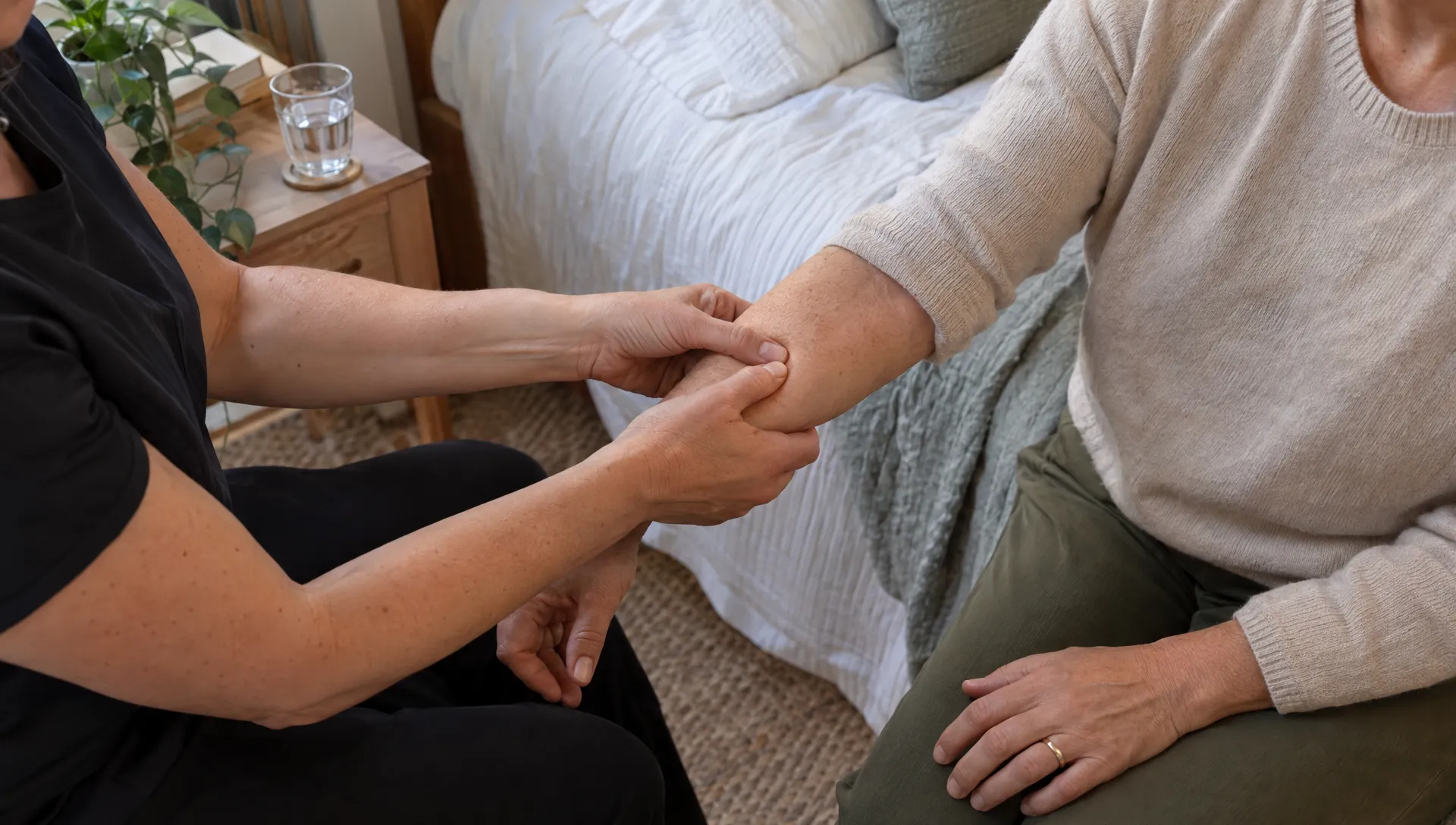
A consultation is useful only if your answers influence the appointment. Your therapist should ask about your goals, relevant health conditions, recent injuries or surgery and medication that could affect treatment, such as blood-thinning medicines.
They should also ask about pregnancy where relevant, allergies and any previous reactions to massage products. You do not need to disclose unrelated personal information, but withholding something that affects treatment safety can prevent appropriate adjustments.
Notice how the therapist responds. Do they suggest a lighter approach, avoid a sensitive area or explain why a particular technique may not suit you? Can they acknowledge the limits of what massage can do?
You should have an opportunity to discuss clothing, covering and which areas will be treated before the session starts. Consent is ongoing: agreeing to a booking does not mean agreeing to every technique or body area.
A useful sign of the best body massage in London is personalisation you can describe afterwards, rather than a routine delivered unchanged to every client.
A spa, clinic, home appointment and hotel treatment offer different experiences. The right choice depends partly on how you feel before and after travelling across London.
A dedicated venue may suit you if leaving home helps you switch off or you want access to facilities included in that booking. Check exactly what is included, since a treatment price does not necessarily cover every facility shown in the photographs.
A mobile appointment can suit someone who would rather avoid a journey afterwards, has limited spare time or feels more comfortable in familiar surroundings. Hotel appointments can also fit around a work trip, provided the hotel permits outside practitioners and access arrangements are confirmed.
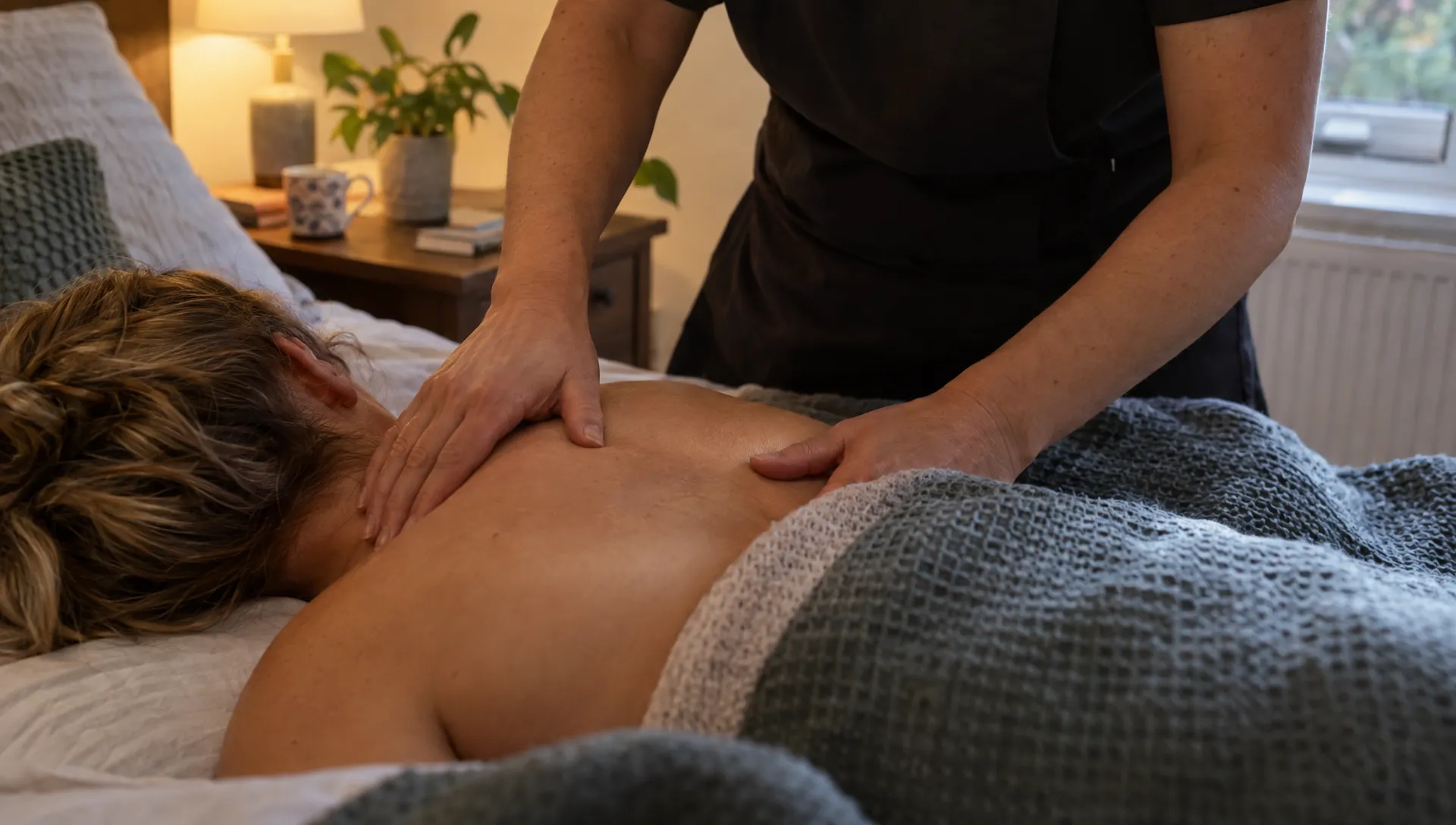
Lifeforce provides mobile massage across London at homes, hotels and workplaces. All Lifeforce treatments take place on a bed. For any address, confirm that the proposed setting is suitable before booking.
The best body massage in London should fit the whole experience, including the journey you avoid or choose to make. A theoretically convenient location is less useful if getting there leaves you rushed and tense.
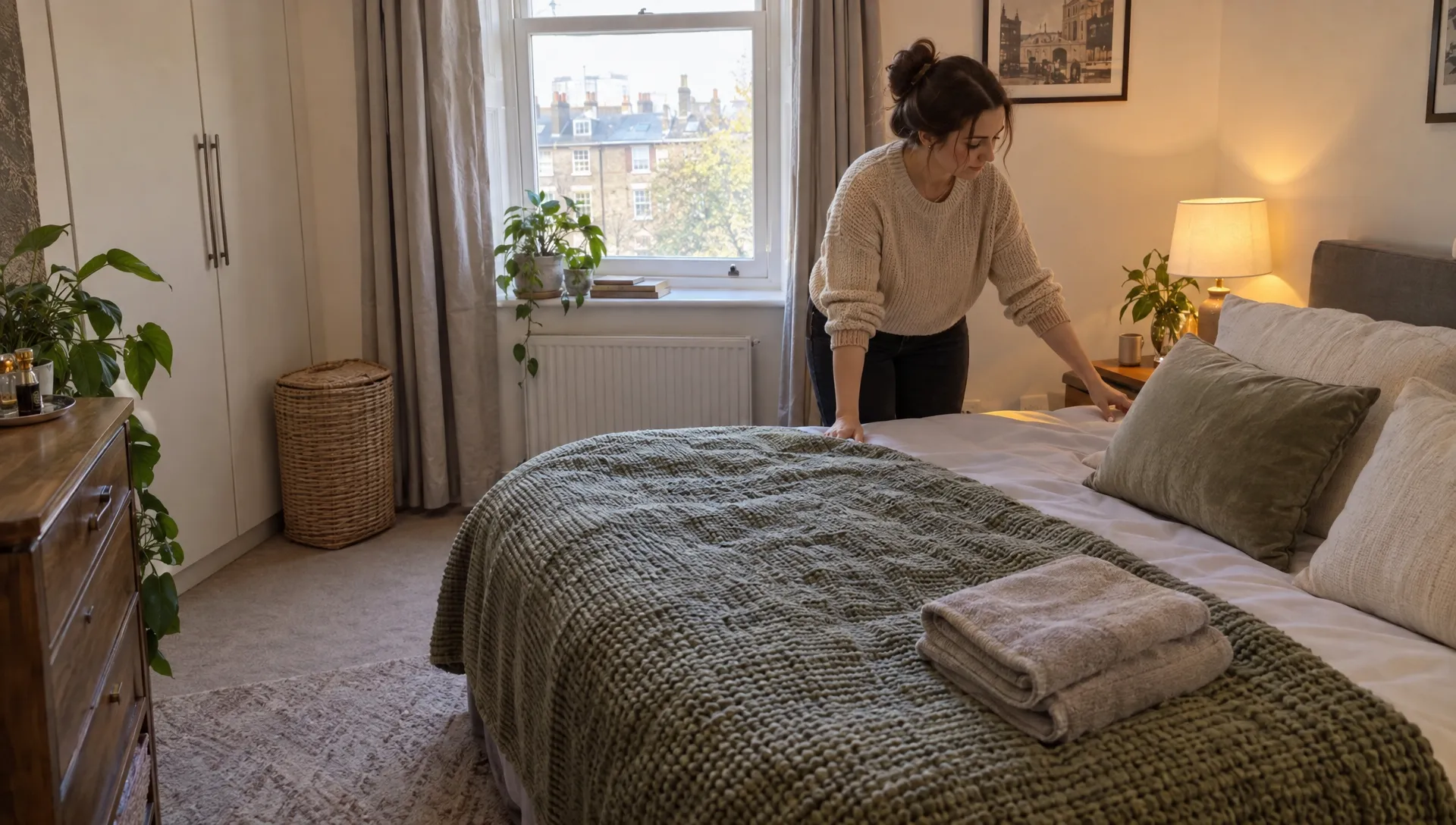
For a home or hotel session, ask what the therapist brings and what you need to provide. Confirm arrangements for linen, oils and protecting the bed rather than making assumptions.
Choose a private space with a comfortable temperature and enough room for the therapist to work safely around the bed. Deal with likely interruptions beforehand, including deliveries, pets or work calls.
You can request a quiet session or say that you would welcome explanations. You can also ask to keep particular clothing on, exclude an area or change position if something feels uncomfortable.
A therapist should be able to explain how your preferences affect the treatment. If they dismiss reasonable boundaries or pressure you to accept unwanted contact, do not proceed.
A headline price is useful only when you know what it buys. Compare the treatment length, the amount of hands-on time and any costs linked to your address or appointment time.
Lifeforce advertises mobile massage from £70. That is a starting price, not a promise that every treatment, duration or booking will cost the same. Check the total for your chosen appointment before paying.
When assessing the best body massage in London for your budget, clarify these points:
Do not assume a higher price guarantees stronger training or better results. Equally, an unusually cheap offer deserves scrutiny if it leaves little information about the practitioner or service.
Packages can make sense once you know you like the treatment. Lifeforce offers a complimentary massage after ten bookings; check the applicable loyalty terms before including that benefit in your budget. Avoid committing to repeated appointments purely because a discount feels urgent.
A longer treatment is not automatically a better one. If you want focused attention to one or two areas, the therapist may suggest a different plan from someone seeking a leisurely whole-body session.
Where different durations are offered, ask what can realistically fit into each option. A shorter appointment divided between many areas may feel rushed. A longer session may allow more time without needing deeper pressure.
“Full body” also needs clarification. Providers may use the term differently and it does not override your preferences. Agree the areas to include, the areas to avoid and which priorities come first if time is limited.
Schedule some breathing space around the appointment. Arriving late from a meeting or planning a demanding activity immediately afterwards can undermine the restful experience you wanted.
Lifeforce offers daily availability from 8am to 10pm, with on-demand and advance booking options. The availability of a particular therapist or slot still needs confirmation.
The best body massage in London is easier to appreciate when the booking fits your day rather than becoming another appointment you have to rush through.
Your recent activity can change what feels comfortable. Tell the therapist about a long flight, unusually heavy training or several days of walking rather than simply requesting maximum pressure for tired muscles.
Someone returning from gorilla trekking and wildlife tours in Uganda, for example, might have a mixture of walking fatigue and stiffness from vehicle journeys. Those details give a London therapist a clearer starting point than the broad label “post-holiday massage”.
Allow for how you feel on the day. A gentle appointment may be preferable to intensive work when you are tired or unusually sore. Massage does not replace sleep, food, hydration or appropriate recovery from exercise.
New unexplained swelling, particularly in one leg after travel, needs medical advice rather than massage. Do not assume every post-trip ache is ordinary muscle tension.
Massage can be a supportive option for relaxation and some symptoms, but it cannot establish the cause of unexplained pain. The US National Center for Complementary and Integrative Health’s massage overview describes evidence that varies by condition and notes that some studies suggest short-term benefits.
Finding the best body massage in London should never delay assessment of a new health concern. Seek medical advice for persistent or worsening pain, unexplained swelling, fever or symptoms following a significant injury. Do not book treatment over a suspected blood clot, infected skin or an unhealed wound.
For back pain, some symptoms need emergency assessment. New loss of sensation around the genitals or anus, new bladder or bowel changes, or weakness, tingling or numbness in both legs are reasons to call 999 or go to A&E. The NHS back pain guidance explains these warning signs.
Pregnancy, recent surgery, cancer treatment and medicines that increase bleeding risk may require adaptations or input from your treating team. They do not all mean the same thing for every person, so avoid relying on a blanket online answer.
A responsible therapist should be comfortable postponing treatment or recommending medical advice when something falls outside their competence.
After the session, return to the goal you set before booking. Did you feel more settled? Was the pressure appropriate? Was it easier to move comfortably? Did the therapist respect your preferences?
Consider both the immediate experience and how you feel over the following day or two. Mild tenderness can occur after some treatments, but soreness is not a measure of success. Significant pain, bruising or worsening symptoms should not be celebrated as proof of effective work.
A short note can help you make the next appointment more useful: treatment type, pressure preference, areas covered and anything you would change. That is more informative than deciding every future session should be harder or longer.
The best body massage in London for you is one you can evaluate against your own needs. If an appointment repeatedly leaves you uncomfortable or unheard, reconsider the approach or provider rather than assuming you need to tolerate it.
Can deep tissue massage help with back pain? It may offer short-term symptom relief for some people, but suitability depends on the cause of the pain. Persistent, worsening or unexplained symptoms need assessment rather than repeated massage without a clear plan.
How much does a full-body massage cost in London? There is no single standard price. Duration, setting and practitioner experience affect the total. Lifeforce advertises appointments from £70; confirm the price for your chosen treatment and booking details.
What is a red flag when choosing a massage therapist? Warning signs include unclear qualifications, guaranteed cure claims, refusal to discuss relevant insurance and disregard for consent. Pressure to accept painful techniques or unwanted contact is also unacceptable.
Should a deep tissue massage hurt? Firm pressure can feel intense, but you should remain able to relax and communicate. Sharp pain, numbness or a need to brace should prompt an immediate adjustment. You can ask to stop at any point.
What happens during a hot stone massage? A practitioner uses heated stones as part of the treatment, either placing them on selected areas or using them during massage. Heat should remain comfortable, and suitability needs checking if you have reduced sensation or heat sensitivity.
Choose a clear goal, check the practitioner and confirm the full booking details. Comfort, consent and realistic expectations matter more than promises of the strongest or most luxurious treatment.
With Lifeforce’s mobile massage service, you can explore therapist profiles, choose your therapist and treatment, then book online for a home or hotel appointment in London. All treatments take place on a bed.
Before confirming, share your priorities and any relevant health information. That gives your therapist a useful starting point for an appointment suited to you.