How to Choose a Mobile Therapist for Pregnancy Massage
Nov 3, 2026
Choosing between types of massage for your first booking is easier when you start with what you want from the appointment: time to unwind, attention to a tight area or support after physical activity. You do not need to understand every technique before booking, and a stronger treatment is not automatically a better one.
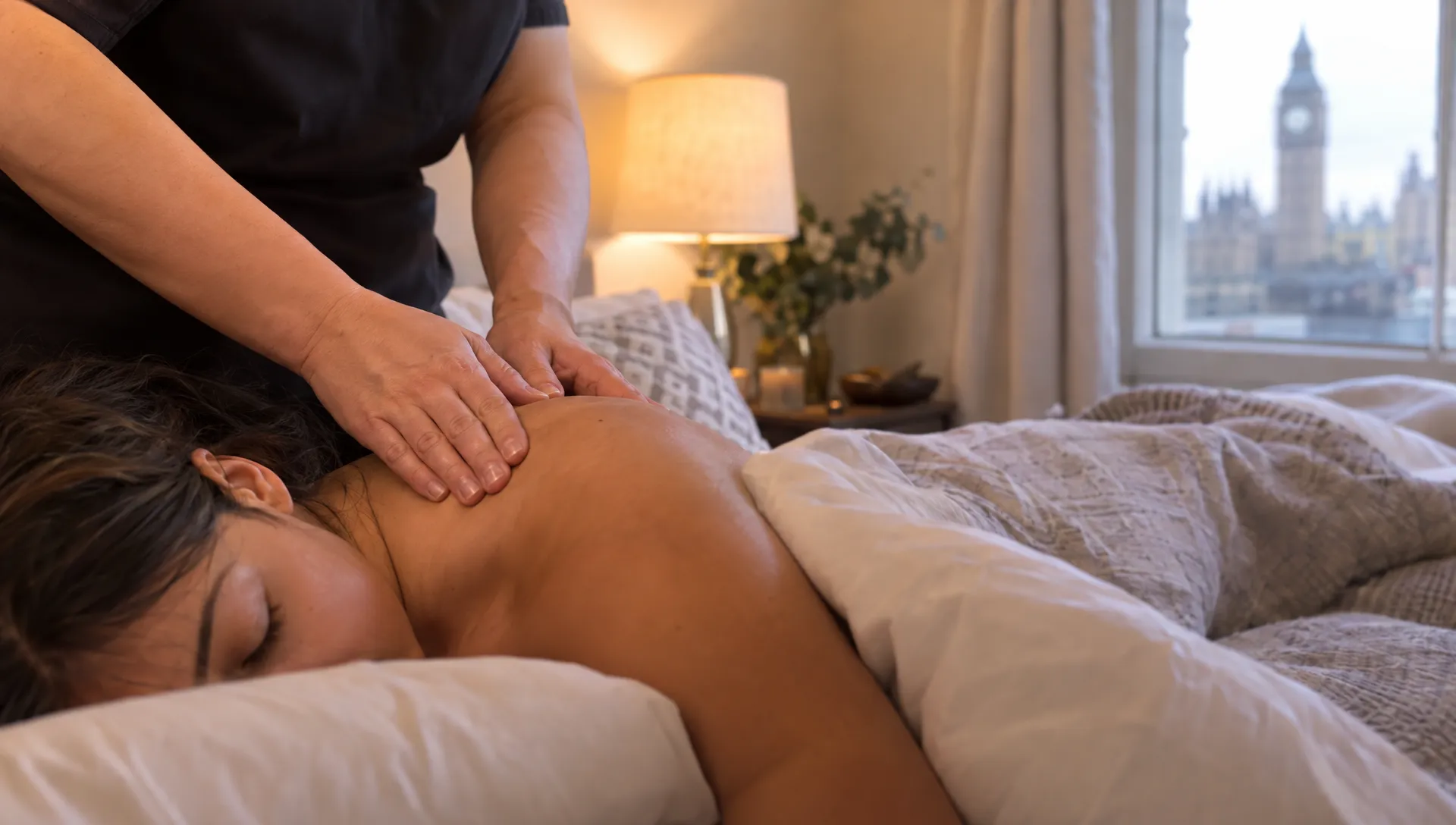
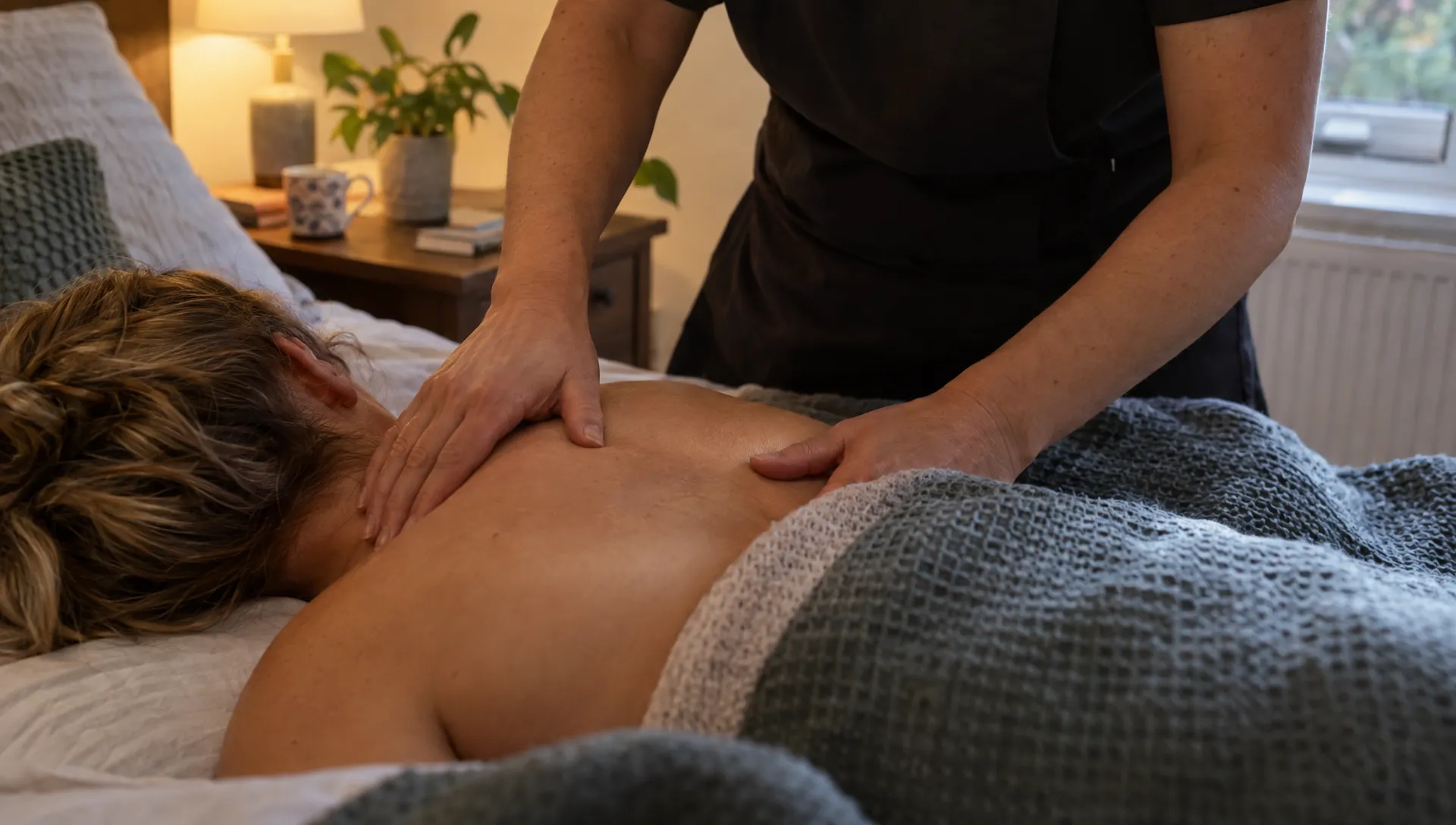
This guide explains the differences that matter to a first-time client, including pressure, treatment focus and when specialist training is important. If you are booking with Lifeforce, your treatment takes place on a bed in your home or hotel, so you can stay in familiar surroundings.
Before looking at treatment names, finish this sentence: “I would like to leave feeling…” Your answer gives you a more useful starting point than choosing whichever option sounds most intensive.
If you want to switch off after a demanding week, prioritise a relaxation-focused treatment with gentle or moderate pressure. If one area feels tight, ask whether the therapist can give it extra attention without making the whole session intense. For discomfort connected to training, a sports-focused appointment may be worth discussing.
There is also a difference between wanting temporary relief from everyday tension and needing assessment for persistent pain. Massage cannot tell you why a symptom is happening. New, worsening or unexplained pain deserves medical advice rather than a guess about which treatment might fix it.
For a first booking, comfort and clear communication matter more than choosing an impressive-sounding technique.
The names below describe common approaches, but techniques can overlap. Read the provider’s description and confirm the therapist’s training, especially for specialist treatments.
| Approach | What it usually involves | When to consider it |
|---|---|---|
| Swedish massage | Flowing strokes, kneading and adjustable pressure | You want a familiar starting point with room to adjust intensity |
| Relaxation massage | A gentle pace and soothing, repetitive movements | Switching off is your main priority |
| Deep tissue massage | Slower, focused work using sustained pressure | You want attention to particular areas of muscular tension |
| Sports massage | Focused soft-tissue work related to activity | Your priorities involve exercise or repetitive physical demands |
| Thai massage | Assisted movement, stretching and pressure | You prefer a more movement-based approach |
| Pregnancy massage | Adapted positioning and techniques during pregnancy | You want a therapist specifically trained in pregnancy care |
| Lymphatic drainage | Light, specialised movements intended to support lymph flow | You have a specific reason for seeking this approach |
| Reflexology | Pressure applied to areas of the feet or hands | You prefer a focused treatment rather than a full-body massage |
These types of massage are starting points, not rigid categories. A Swedish massage, for example, can be adjusted to your preferences rather than delivered at one fixed pressure. Ask what the session will actually involve before deciding.
A common first-booking mistake is assuming that “deep” means effective and “gentle” means less worthwhile. Pressure should suit your comfort, the area being treated and any relevant health considerations.
Deep tissue work does not have to mean the firmest possible pressure throughout the appointment. Equally, a relaxation-focused session can still include attention to a tight shoulder or tired legs. Explain both your preferred intensity and the places you want the therapist to focus on.
You should be able to breathe normally and communicate throughout treatment. Sharp, burning or electric pain, numbness or a strong urge to pull away are reasons to stop the technique and tell the therapist. You do not need to wait until the end to say something.
Try a specific instruction such as: “That feels too intense on my shoulder. Please reduce the pressure.” It is more useful than trying to tolerate discomfort silently.
When comparing types of massage, remember that responsive pressure is more valuable than a promise of maximum intensity. Your first appointment is an opportunity to learn what feels comfortable, not a test of pain tolerance.
Treatment style is only part of the decision. How the available time is used can make just as much difference to your experience.
A whole-body session spreads attention across several areas. This may suit you if you want general relaxation and do not have one clear priority. A focused session gives more time to a smaller number of areas, which may be preferable if your upper back is your main concern.
Trying to fit detailed attention to every area into one appointment can leave you disappointed. Tell the therapist your first priority, then identify anything secondary. You might say: “My neck and shoulders matter most. If there is time, I would also like some work on my legs.”
When choosing between types of massage, ask how your preferred focus fits the appointment length rather than assuming the treatment name guarantees a particular amount of attention. If you are unsure, describe your goal before booking and ask what is realistic within the available session.
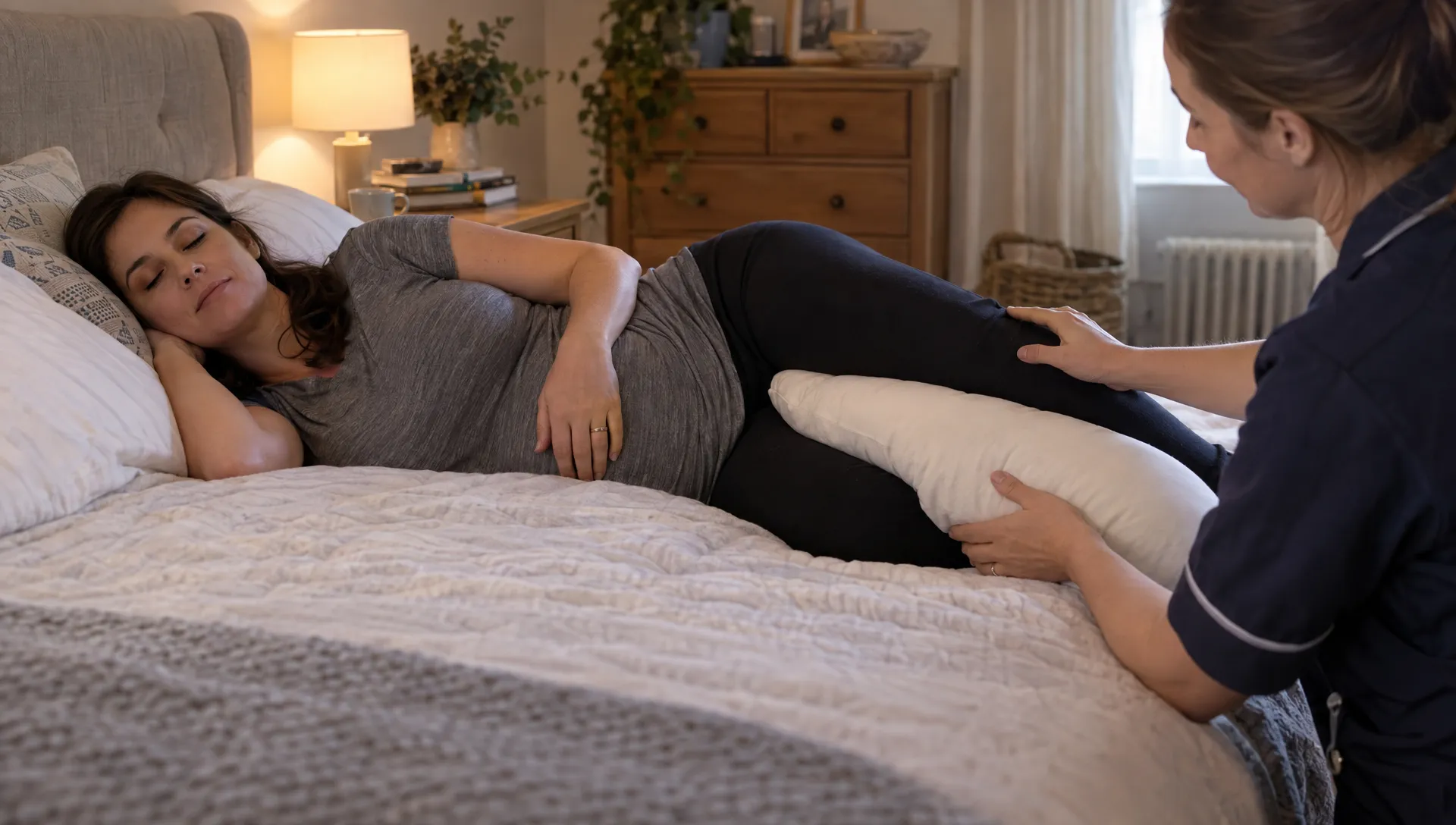
Tell the provider that you are pregnant before booking, including how many weeks pregnant you are and any relevant complications. Look for a therapist with specific pregnancy massage training who can explain suitable positioning and adaptations.
If you have pregnancy complications or have been advised to restrict activity, speak to your midwife or maternity team first. Do not assume that a standard treatment becomes pregnancy-appropriate simply because the pressure is lighter.
Manual lymphatic drainage is a specialised technique used in some lymphoedema care plans. The NHS explanation of lymphoedema treatment places it alongside measures such as compression, skin care and exercise, rather than presenting massage as a standalone cure.
For diagnosed lymphoedema, follow your clinical team’s advice about treatment and practitioner training. New or unexplained swelling should be assessed before you book a massage.
Reflexology usually centres on the feet or hands. It may appeal if you enjoy that focused contact, but it should not be presented as a way to diagnose illness or reliably treat internal organs.
For specialist types of massage, the deciding question is not simply whether the description sounds appealing. Ask whether the practitioner has training relevant to your circumstances and whether the treatment matches your actual goal.
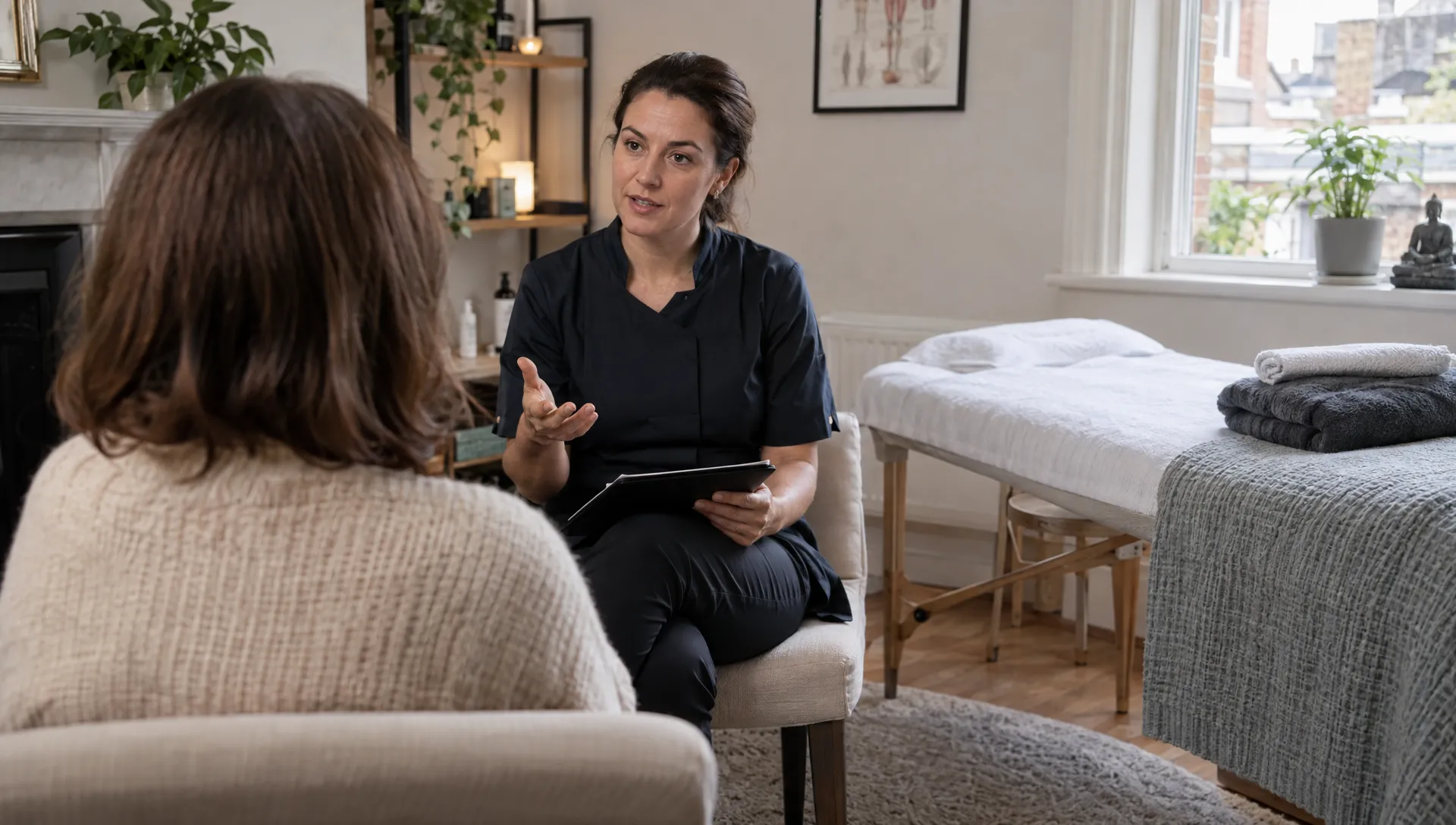
You do not need technical vocabulary to explain what you want. A useful brief covers your main goal, the areas you want included or avoided and your preferred pressure.
For example: “This is my first massage. I mainly want to relax, but my shoulders feel tight after desk work. Please start gently, give my shoulders some extra attention and avoid my feet.”
Share relevant health information before treatment, including injuries, recent surgery, pregnancy, blood-thinning medication or conditions affecting your bones, circulation or skin. The therapist may need to adapt the appointment or recommend that you get medical advice first. The US National Center for Complementary and Integrative Health notes that massage is generally low risk, but serious adverse effects have occasionally been reported, particularly with vigorous techniques or in people at increased risk of injury.
Also explain any boundaries around touch or undressing. Consent is ongoing, and you can ask to change or stop a technique at any point.
Across different types of massage, a clear brief helps the therapist understand your expectations more accurately than a treatment label alone.
Once you have narrowed the choice, check the description against three practical details: who will deliver the treatment, what the session includes and whether your preferences can be accommodated.
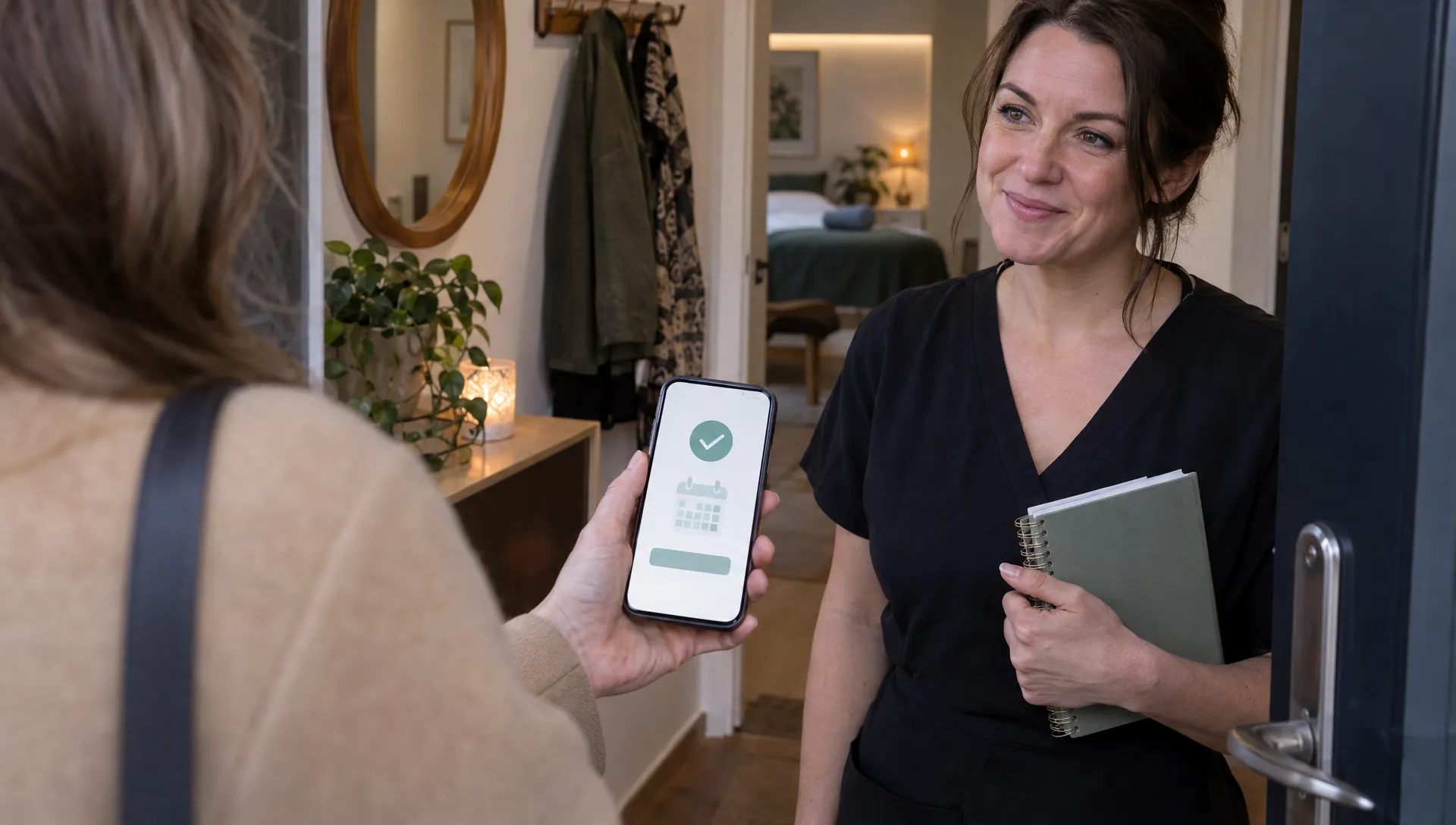
A therapist profile can help you identify relevant training and experience. If the description leaves something unclear, ask before paying, particularly if you want specialist care, prefer to remain clothed or need to avoid a particular area.
For a home or hotel appointment, confirm the setting as well as the treatment. Lifeforce treatments take place on a bed, so mention any access or positioning concerns when arranging your visit. You can also use this checklist for booking an on-demand massage to check appointment confirmation and booking terms.
You do not need to sample every option before making a sensible choice. Narrow the types of massage to one or two that fit your goal, then let the therapist’s relevant experience and willingness to discuss your preferences guide the final decision.
Which massage is best for a complete beginner? Swedish or relaxation massage is often a straightforward starting point if you want a general, adjustable session. Neither is automatically right for everyone. Your comfort with pressure, treatment focus and any health considerations should shape the choice.
Can massage help with headaches? Some people find gentle work around tense neck and shoulder muscles soothing, but headaches have many causes and massage is not a diagnosis or guaranteed treatment. Recurrent or worsening headaches need medical advice. A sudden, extremely painful headache, or one accompanied by weakness, confusion or loss of vision, needs urgent medical attention.
Do I have to undress for a massage? Clothing requirements depend on the approach and the techniques being used. Ask before booking if you prefer to remain clothed. Only undress to your comfort level, and discuss how your privacy will be maintained and which areas will be covered during treatment.
Should I expect soreness afterwards? Some people notice temporary tenderness, particularly after firmer work, but soreness is not proof that a treatment worked. Tell the therapist if you are concerned about after-effects so they can adjust the session. Severe, worsening or persistent pain should not be dismissed as normal.
The right first appointment should match your priorities, respect your boundaries and leave room for adjustments. You can choose a different approach next time once you know what you enjoy.
Explore Lifeforce’s massage treatments to compare the available types of massage, then choose your therapist and explain your preferences when booking. Home and hotel appointments are available across London, with daily service from 8am to 10pm, subject to appointment availability.