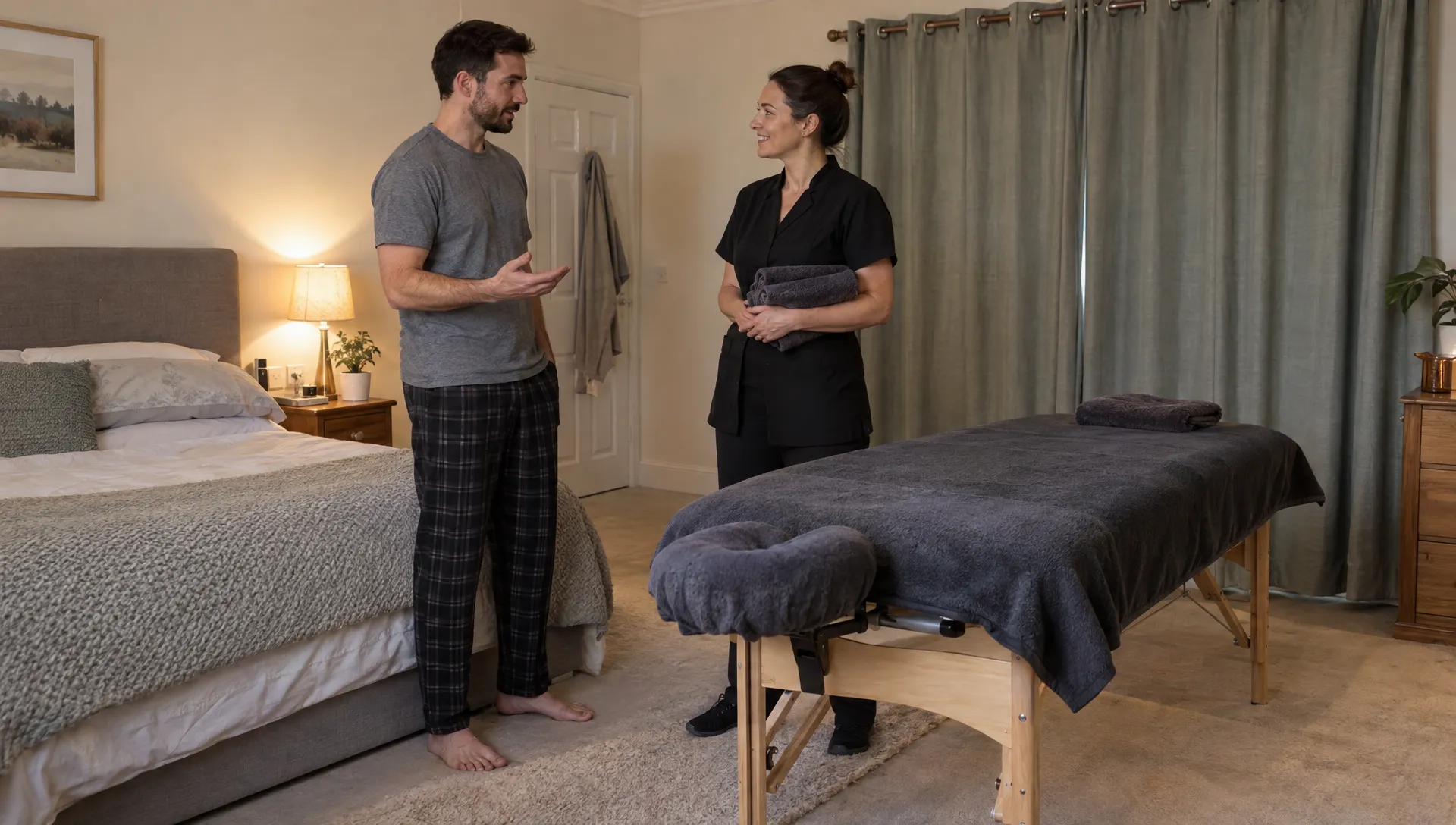
5 Incredible Benefits of Deep Massage Therapy
Aug 10, 2026
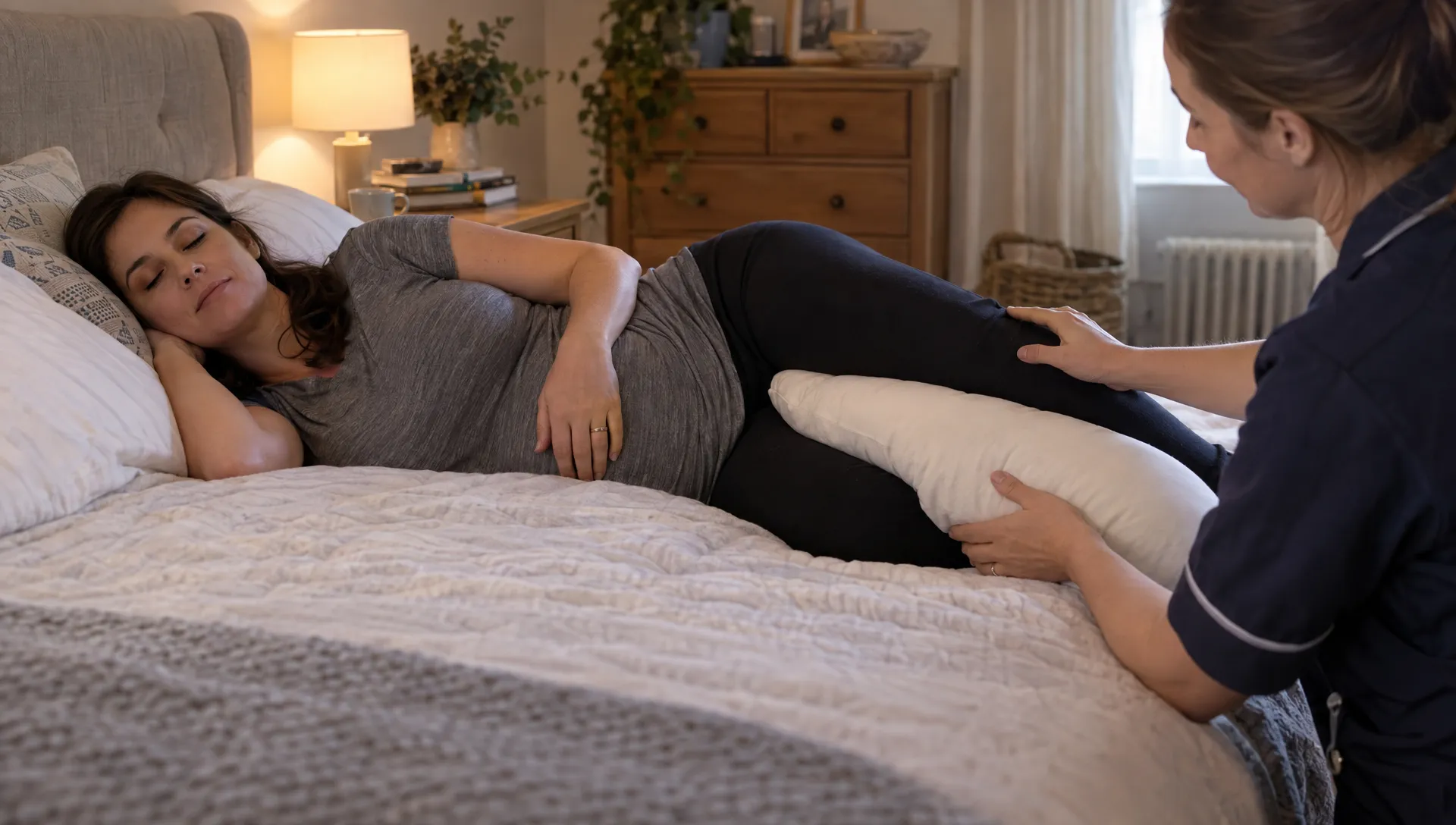
Searching for a “massage mobile therapist” during pregnancy involves more than finding someone who can visit your postcode. You need a practitioner with pregnancy-specific training, appropriate insurance and a clear plan for keeping you comfortable on your bed. They should ask about your pregnancy before treatment, explain how they adapt their approach and welcome questions about pressure, positioning and consent.
A home or hotel appointment removes the journey afterwards, but convenience should come after suitability. A reassuring therapist will explain what they can offer, recognise when you need advice from your maternity team and make it easy to pause or stop.
Use the checks below to compare practitioners before paying, particularly if a listing simply says “prenatal” or “pregnancy” without explaining who delivers the treatment.
Start with evidence rather than treatment names or photographs. These five checks give you a useful basis for comparing providers.
| What to check | What a clear answer should cover |
|---|---|
| Pregnancy-specific training | The course completed and how it informs positioning, screening and treatment adaptations |
| Insurance | Confirmation that pregnancy massage and mobile appointments are covered |
| Health screening | Questions about your stage of pregnancy, symptoms and relevant medical history |
| Bed-based treatment | How the therapist will support your position and assess the available space |
| Booking terms | Total price, cancellation rules and what happens if treatment cannot proceed |
You do not need to assess a therapist’s entire professional history. Focus on whether their training and working practices fit your current pregnancy, rather than assuming that experience in another massage style transfers automatically.
A general qualification is a starting point, not the whole answer. Ask what additional pregnancy massage training the practitioner has completed and whether they regularly work with pregnant clients.
Useful questions include: “How do you adapt treatment as pregnancy progresses?” and “What would make you postpone a session?” Their answers should explain practical decisions, not just promise a gentle massage.
A mobile massage therapist should also be willing to confirm that their treatment insurance covers both pregnancy massage and work in clients’ homes or hotels. A professional association logo alone does not establish either point. If you want help interpreting qualifications, Lifeforce’s guide to checking a massage therapist’s credentials explains what to look for.
Be cautious about claims that massage can guarantee an easier birth, prevent pregnancy complications or replace antenatal care. A credible practitioner can discuss comfort and relaxation without promising medical outcomes.
Tell the provider how many weeks pregnant you are when enquiring, rather than waiting until the therapist arrives. Ask when they collect health information and whether anything in your circumstances needs clarification before you pay.
Relevant information includes current symptoms, maternity advice, prescribed medicines and any complications or conditions affecting your pregnancy. Mention a history of blood clots, high blood pressure, bleeding or additional antenatal monitoring. These details do not all mean massage is automatically ruled out, but they can change whether, when or how treatment is appropriate.
Your mobile massage therapist should explain when they need advice from your midwife or obstetric team. A booking disclaimer is not a substitute for an individual conversation, and a practitioner’s willingness to proceed is not medical clearance.
Do not use massage to investigate new or worrying symptoms. Unexplained bleeding, fluid leakage, significant abdominal pain or feeling acutely unwell should prompt contact with your maternity service rather than a treatment appointment.
One-sided leg swelling, pain or warmth needs urgent medical assessment because these can be symptoms of deep vein thrombosis. Do not ask the therapist to massage the affected area. Chest pain or sudden breathlessness warrants emergency help: call 999.
A severe headache, visual disturbances, pain below the ribs or sudden swelling of the face or hands also needs immediate maternity advice. The NHS lists these among the possible symptoms of pre-eclampsia.
These checks are not intended to make a routine appointment alarming. They help distinguish everyday discomfort from symptoms that should be assessed first.
With Lifeforce, treatments take place on a bed. Before booking, ask how the practitioner will arrange a supported position and whether your available space is suitable for their approach.
A mobile massage therapist offering pregnancy treatment should be able to discuss supported side-lying, including pillows between the knees or supporting the bump where comfortable. As pregnancy progresses, prolonged flat-on-your-back positioning may be unsuitable. Ask how they would adapt the session using side-lying or supported semi-reclining rather than accepting one position for everyone.
Confirm who supplies clean linen, towels and supportive pillows. Keep enough space around the bed for safe access and make sure you can get on, turn and get off comfortably. Lifeforce’s advice on preparing your home for a massage can help with the practical arrangements.
For a hotel visit, check visitor access with reception and tell the provider about any restrictions. Avoid leaving these details until the appointment starts.
“Gentle” means different things to different people. Explain where you feel uncomfortable, what pressure you usually enjoy and which areas you do not want treated. You can request no abdominal work, for example, without having to justify the preference.
Ask how the therapist manages draping and gives you privacy to get comfortable. Only the area being treated should be uncovered, and consent remains ongoing throughout the appointment.
You should be able to change your mind, ask for lighter pressure or stop altogether. If you feel dizzy, nauseated, breathless or uncomfortable, tell the therapist immediately so treatment can stop and your position can be changed. Persistent or concerning symptoms need medical advice, not simply a different technique.

Ask how the provider handles hand hygiene, fresh linen and cleaning between appointments. Small details such as custom woven labels can distinguish a provider’s towels from household linen, but identification does not tell you whether an item has been freshly laundered. Clear hygiene procedures matter more than branding.
Find out which massage product will be used and disclose allergies, eczema or sensitivity to fragrance. If smells trigger nausea, ask whether an unscented option is available. “Natural” does not automatically mean suitable during pregnancy.
A mobile massage therapist should be happy to explain product choices rather than treating a particular oil as essential to the session. Also agree whether pets, household members or interruptions need managing so you have the privacy and quiet you want.
Compare like-for-like appointments rather than choosing on the headline price. Check the treatment duration and ask whether consultation, getting comfortable and changing position are included within that time.
Confirm the total charge for your postcode, including any travel, parking or hotel access costs. Do not assume these apply, but do not assume they are included either. Ask what happens if the therapist arrives late and whether you still receive the agreed treatment time.
Pregnancy can make plans less predictable. Before paying, establish the cancellation deadline, rescheduling options and what happens if new symptoms mean treatment should not proceed. A useful policy explains how unsuitable appointments are handled, rather than leaving you to negotiate while unwell.
If the booking platform lets you choose a practitioner, confirm that the person you select has the relevant pregnancy training. Availability for a general massage appointment does not necessarily mean suitability for a prenatal session.
A short message can reveal more than a lengthy service description. Give your stage of pregnancy, location and main comfort needs, then ask about training, screening and arrangements.
For example:
I am 26 weeks pregnant and looking for a pregnancy massage at home in London. I would like help relaxing and getting comfortable around my shoulders and hips. Could you confirm the therapist’s pregnancy-specific training, insurance cover, screening process and how treatment would be supported on my bed? Please also confirm the full price and cancellation terms.
Add relevant health information through the provider’s appropriate private channel. Notice whether the reply answers your questions or simply directs you to payment. A mobile massage therapist who needs more information before accepting the booking is showing appropriate care, not being unhelpful.
Can I book pregnancy massage in the first trimester? Policies vary according to the practitioner’s training and insurance. Tell the provider your stage of pregnancy before booking. A rule about waiting until 12 weeks is not a guarantee that treatment is suitable afterwards; symptoms and individual circumstances still matter.
Do I need permission from my midwife? Ask whether your circumstances or the provider’s policy require clinical advice. If you have complications, new symptoms or restrictions from your maternity team, clarify these before treatment. Any advice should relate to your situation rather than a generic assurance.
Is pregnancy massage the same as a light relaxation massage? Not necessarily. Pregnancy-specific care involves screening, supported positioning and adaptations to your changing needs, not just reduced pressure. Ask what the therapist does differently rather than relying on the treatment label.
Can a therapist visit my hotel room? Lifeforce offers hotel appointments in London. Confirm pregnancy treatment availability, the room arrangements and the hotel’s visitor policy before booking. You should receive the same screening, privacy and consent process as you would at home.
Choose someone who can explain their pregnancy training, screening process and bed-based approach clearly. Transparent costs and respectful communication should support those essentials, not replace them.
Lifeforce provides mobile appointments across London, with daily availability from 8am to 10pm and the option to choose your therapist. Explore the pregnancy massage service for treatment and booking information, then confirm your chosen practitioner’s pregnancy experience and discuss your needs before the visit.