Booking a Mobile Masseuse When You Prefer a Female Therapist
Nov 5, 2026
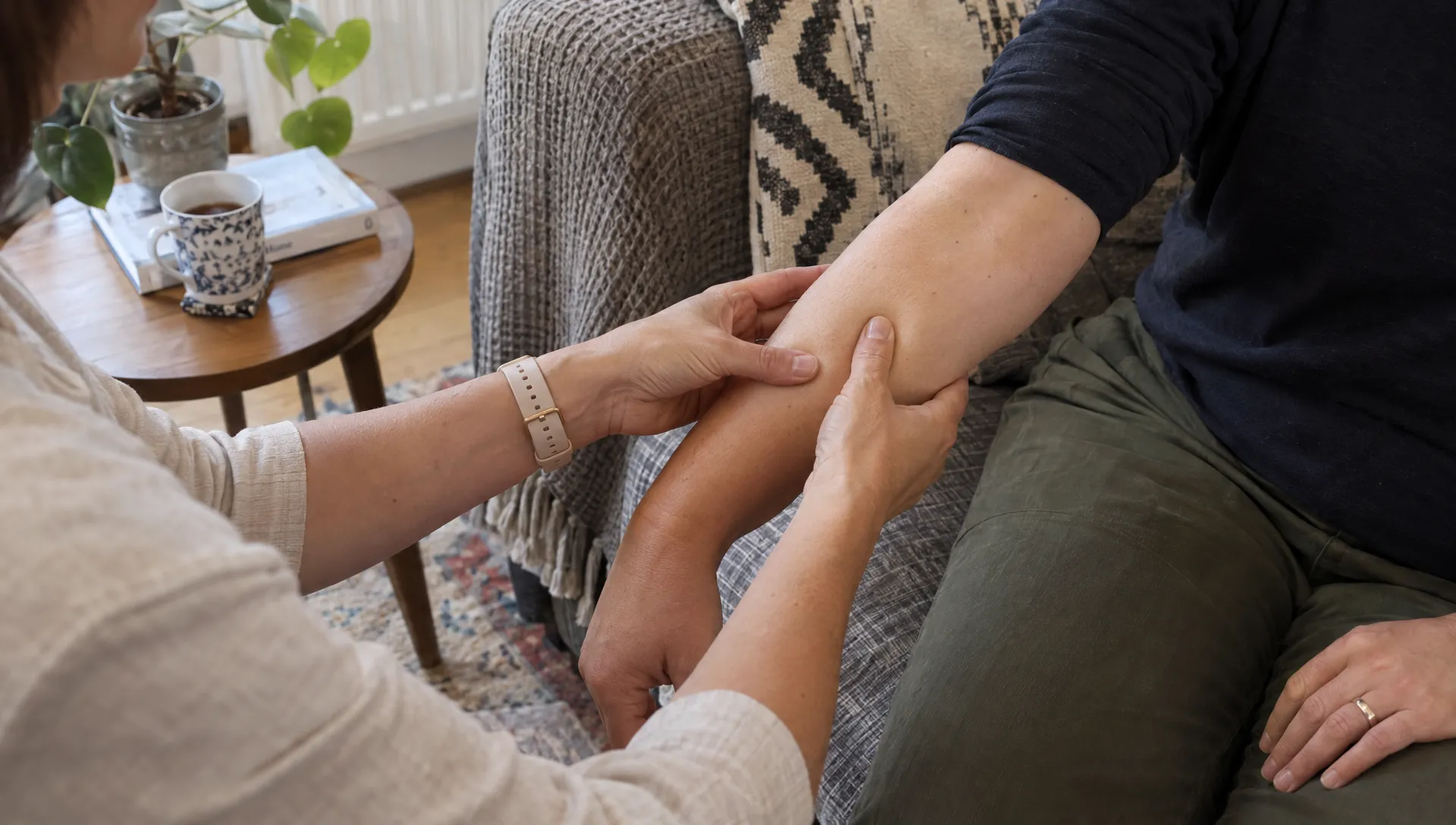
Massage techniques can feel soothing, firm, rhythmic or surprisingly gentle, depending on the movement and its purpose. What they should not require is enduring sharp pain or staying silent when something feels wrong. A satisfying treatment does not have to be intense, and soreness afterwards is not proof that it worked.
Understanding what your therapist is doing makes it easier to describe your preferences. This guide explains common movements, the sensations you might notice and when to ask for an adjustment, whether you are having a relaxing full-body session or focused work on a tense area.
Comfortable pressure is personal. One person enjoys broad, firm contact across their shoulders; another prefers lighter, slower movements in the same area. Your preference can also change with stress, tiredness, recent exercise or an existing injury.
A useful starting point is whether you can breathe normally without bracing against the therapist’s hands. Firm work may feel intense, but you should still feel able to relax and speak. Holding your breath, gripping the bedding or pulling away are reasons to reduce the pressure, not signs that you need to tolerate more.
Sharp, burning, electric or shooting pain is a stop signal. Tell your therapist immediately if you notice tingling, numbness or pain travelling into an arm or leg. These sensations should not be treated as a stubborn knot that needs more force.
A treatment name describes an overall approach. A technique is an individual movement within it. Therapists often combine several movements rather than using one throughout the appointment.
| Technique | What the therapist does | What you might feel |
|---|---|---|
| Effleurage | Uses smooth, gliding strokes over the skin | Continuous contact that may feel calming or gently warming |
| Petrissage | Kneads, lifts or rolls soft tissue | A broad squeezing sensation with a steady rhythm |
| Friction | Makes small, focused movements over a limited area | Localised pressure rather than sweeping contact |
| Compression | Presses into an area, then releases | A gradual build-up and easing of pressure |
| Sustained pressure | Holds contact over a sensitive muscular area | Steady, concentrated pressure that remains manageable |
| Tapotement | Uses light, alternating tapping or cupping movements | A rhythmic patter that may feel stimulating |
| Assisted stretching | Guides a joint or limb through a comfortable range | A controlled stretch, without pinching or forced movement |
These descriptions are reference points, not sensations you must experience. The same massage techniques can feel different depending on speed, contact area and pressure. A therapist should adapt the movement to your response rather than expect you to fit a fixed routine.
Effleurage often appears near the beginning and end of a session, or between more focused movements. The therapist maintains smooth contact, helping you settle into the treatment. It can be light or moderately firm without becoming a scraping sensation.
Petrissage is more like a slow squeeze and release. You may feel the muscle being gently lifted or compressed, particularly across larger muscular areas such as the thighs or shoulders.
Neither movement should pinch the skin or pull uncomfortably on body hair. If a stroke feels scratchy, rushed or awkward, describe that sensation. The therapist may need to adjust their contact, pace or the amount of massage medium they are using.
Friction uses smaller movements, so it can feel more concentrated than a broad stroke. Sustained pressure involves holding contact over an area rather than repeatedly moving across it. Some therapists use this within work described as trigger-point treatment.
You may notice a tender, familiar ache, but the sensation should remain manageable. There is no need to chase the strongest possible response or assume that a painful spot must be pressed until it disappears.
With these massage techniques, more force is not automatically more useful. If the area becomes increasingly painful, you tense up or symptoms spread elsewhere, ask the therapist to stop and reassess.
The term “knot” is a convenient description for a tight or sensitive area, not proof of a lump that must be broken apart. Claims about physically crushing knots or forcing toxins out of muscles are not a helpful basis for treatment.
Compression tends to feel like a gradual press followed by a clear release. Broad contact can make relatively firm pressure feel less pointed, although it should still be adjusted around sensitive areas.
Tapotement is different: brief, repeated contacts create a tapping or cupping sensation. Some people find it invigorating; others find it jarring. It is optional, and you can ask for it to be left out.
Assisted stretching should feel controlled. You might notice a gentle pull through a muscle, but not pinching inside a joint, a sudden sharp sensation or the feeling that a limb is being forced beyond its range. Tell your therapist about joint replacements, instability or recent injuries before stretching begins.
Your feedback matters more than completing a particular movement. None of these massage techniques needs to be included simply because it is part of a therapist’s usual sequence.
Swedish massage commonly combines gliding, kneading and rhythmic movements. It can be gentle or moderately firm, so the label alone does not tell you exactly how much pressure to expect.
Deep tissue work usually involves slower, more focused contact. It should not mean maximum pressure everywhere. Sports massage may combine focused soft-tissue work with stretching, depending on your activity and the purpose of the session; it is not reserved for competitive athletes.
Traditional Thai massage often includes rhythmic compression and assisted stretches. Rather than expecting long oil-based strokes, you may experience a sequence of presses and guided movements. Each stretch should stay within a comfortable range.
Manual lymphatic drainage uses much lighter, specialised movements. It should not feel like deep kneading. New or unexplained swelling needs medical assessment rather than being treated as a routine massage concern.
Treatment names vary between providers, so ask which massage techniques a session is likely to involve. If you are still deciding on an overall approach, our guide to choosing a massage for your first booking explores that separate decision in more detail.
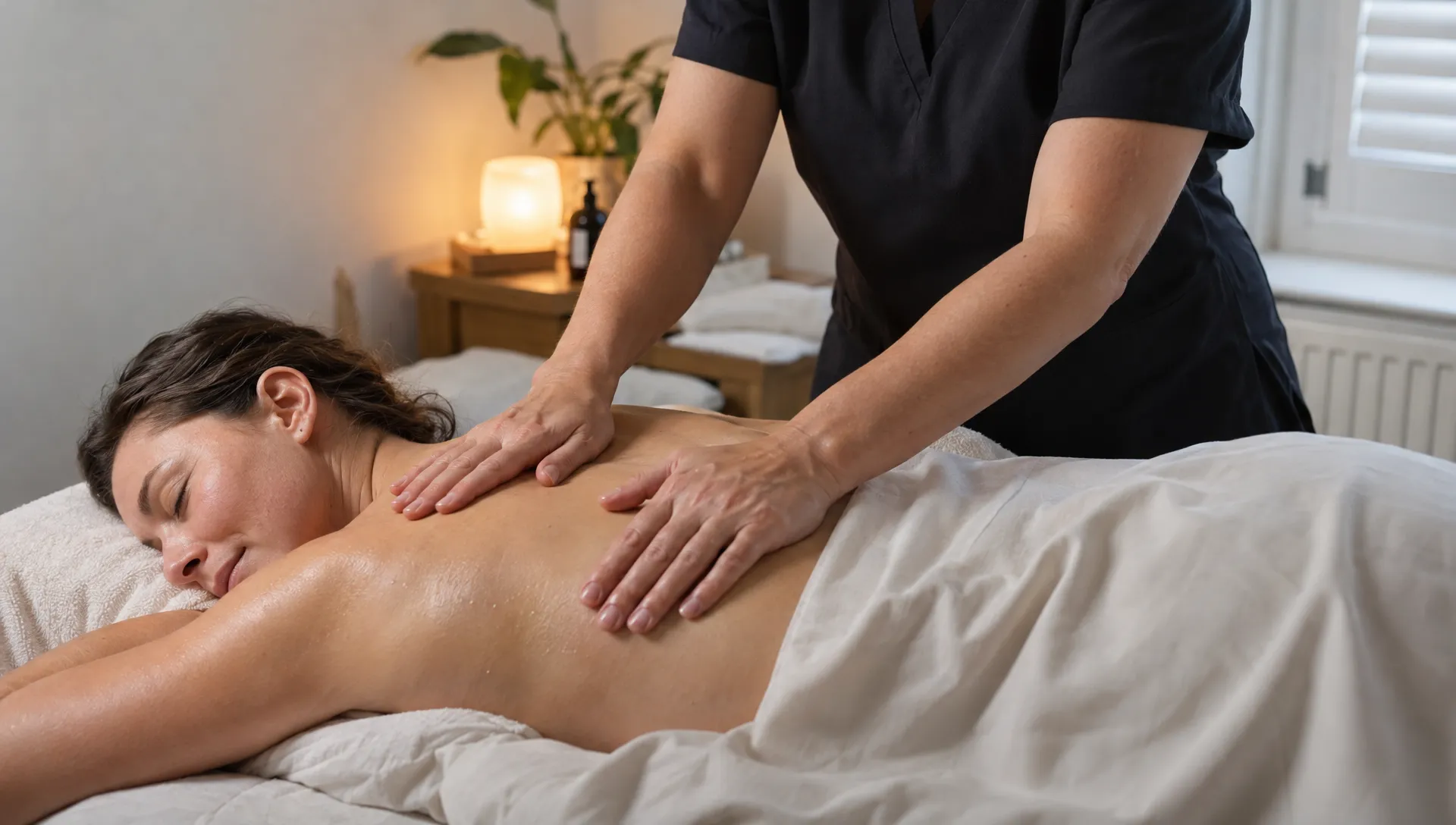
You do not need technical vocabulary to give useful feedback. Describe the location, sensation and change you would like: “That feels too pointed beside my shoulder blade; could you use broader pressure?” is more helpful than trying to identify the technique.
Other useful phrases include “slower, please”, “that stretch feels too strong” and “please leave that area out”. If you want to stop completely, say so. Your consent applies throughout the appointment, not just when you book.
Discuss sensitive areas, injuries and boundaries before the session begins. You can request focused work without agreeing to treatment elsewhere, and you can change your mind after a movement has started.
A therapist should explain unfamiliar massage techniques before using them and check your response when changing pressure or introducing a stretch. You do not have to wait for a check-in to speak. Quietly tolerating discomfort gives the therapist less information, not a better opportunity to help.
You may feel relaxed, more aware of a tense area or temporarily less stiff. Some people notice mild tenderness after firmer work, while others feel no soreness at all. Neither response measures the quality of the treatment.
Tenderness is not a target. Pain that worsens, substantial bruising, new swelling or symptoms that interfere with normal movement should not be dismissed as a necessary part of recovery. Contact a healthcare professional if symptoms are significant, persistent or concerning.
Afterwards, return to activity at a comfortable pace and drink normally according to thirst. You do not need to “flush out toxins”, and feeling unwell is not evidence of detoxification.
Your response can help shape the next session. If certain massage techniques left you feeling overly tender, tell the therapist which areas were affected and how long it lasted. They can use that feedback to reconsider pressure, duration and the amount of focused work, rather than repeating the same approach.
Massage may provide short-term relief for some people with back pain, but it cannot identify every cause or replace assessment when symptoms suggest something more serious.
For low back pain with or without sciatica, NICE guidance recommends considering manual therapy, including massage, only as part of a treatment package that includes exercise, with or without psychological therapy. That is different from treating massage as a stand-alone cure.
If your back hurts, explain when it started, what makes it worse and whether you have symptoms elsewhere. Recent trauma, fever, unexplained weight loss or a history of cancer are reasons to seek medical advice rather than simply request deeper pressure.
The NHS back pain guidance identifies emergency symptoms including loss of feeling around the genitals or anus, new bladder or bowel changes and pain, weakness, tingling or numbness in both legs. Seek emergency care for these symptoms, not a massage appointment.
No selection of massage techniques makes unexplained or worsening symptoms safe to ignore.
Tell your therapist about pregnancy, recent surgery, fractures, osteoporosis, blood-thinning medication and relevant medical conditions. These do not all mean massage is unsuitable, but they can affect the treatment, positioning or need for medical advice.
Do not have massage over a suspected blood clot, an infected area or an acute injury that has not been assessed. A newly hot, swollen or painful limb needs prompt medical advice, particularly if the swelling is on one side. Chest pain or breathlessness alongside these symptoms requires emergency help.
For a treatment at home or in a hotel, comfort also depends on positioning. Lifeforce treatments take place on a bed. Let your therapist know if lying on your front or back is uncomfortable so positioning can be discussed before work begins.
What is reflexology massage? Reflexology uses pressure on specific areas, usually on the feet and sometimes the hands. It may feel like small, deliberate presses rather than broad strokes. Pressure should remain tolerable, and tenderness in a particular spot should not be presented as a reliable diagnosis of a problem in an internal organ.
What is a Californian massage? Californian massage generally describes a relaxation-focused approach using long, flowing strokes and continuous contact. Definitions vary between practitioners. Ask about the massage techniques, pressure and coverage involved rather than assuming the name guarantees a particular experience.
Should deep tissue massage hurt? It may feel firm or intense, but sharp pain, nerve-like sensations and involuntary bracing are reasons to stop or reduce pressure. You should not need to endure pain to make the appointment worthwhile. A skilled adjustment can involve slower movement, broader contact or working elsewhere, not simply pressing harder.
Before booking, decide what you would like to feel: gentle relaxation, comfortable firm pressure or focused attention on a particular area. Share both your goal and anything you want avoided.
Lifeforce provides mobile massage in London homes and hotels, with treatments performed on a bed and appointments available daily from 8am to 10pm. Explore the available massage treatments, choose your therapist and explain your preferences before the session begins.